Dish
Elevating the user experience of food sharing. Less pressure, more fun.
Role
UX/UI Designer
Industry
Social Media, Food
Duration
10 weeks

Stage 1. The Challange
The Social Media Dilemma
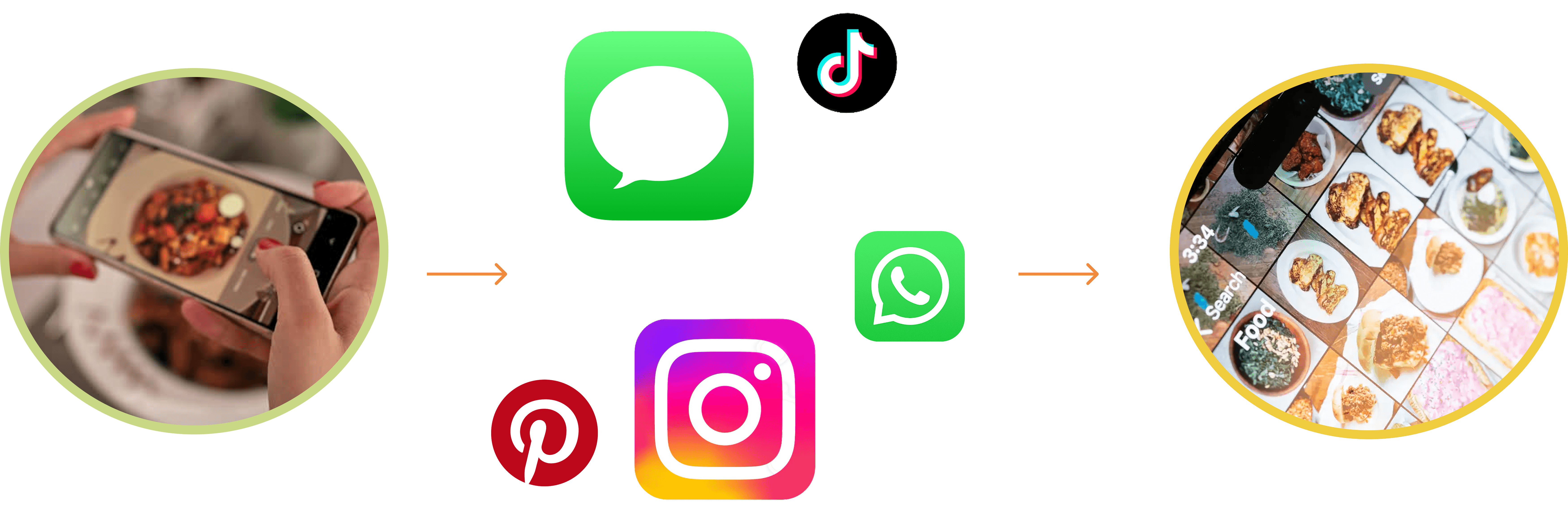
How might we create a dedicated space for food memories that feels personal and meaningful, without the pressure and distractions of traditional social media platforms?We cook at home, we photograph our meals, we want to share these moments—but existing platforms weren't designed for this. Food memories get lost in endless feeds, buried under influencer content and public metrics that turn intimate moments into performances.
Key Research Insights
From a survey taken from 21 individuals, we learned:
95%
cook at home
at least weekly
95%
take photos
of their food
75%
desire selective sharing options
80%
want better organization for
food memories
The Gap
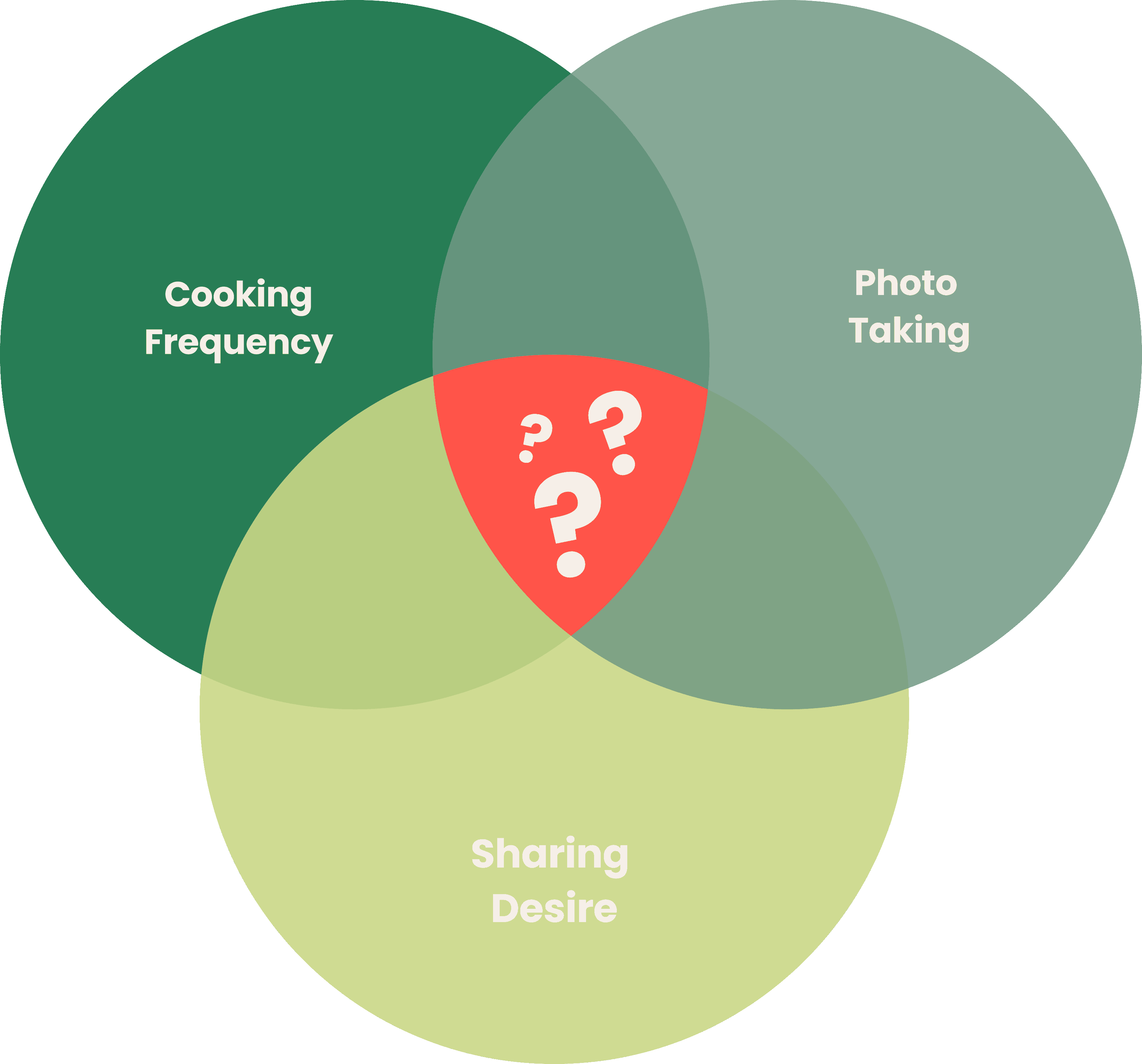
There's a clear overlap: people who cook regularly, document their meals, and want to share with loved ones. But no platform serves this specific intersection without the baggage of traditional social media.
Stage 2. The Solution
A Dedicated Space for Food Memories
"Where food memories find their place"
Introducing Dish:
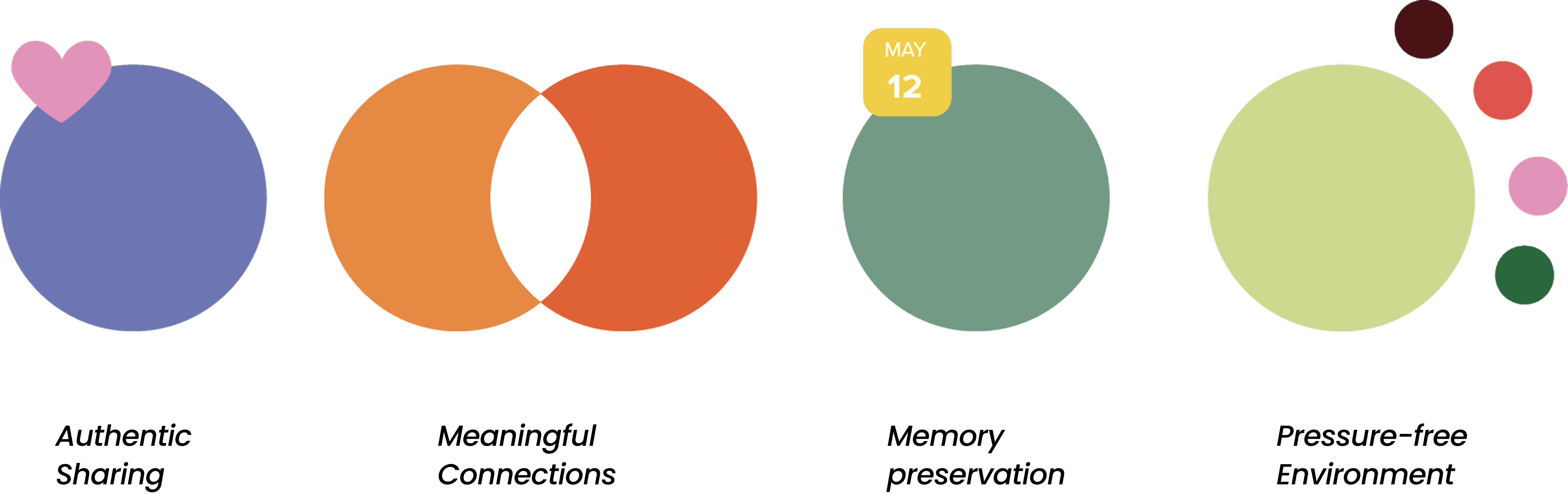
Dish is a social meal memory journal that creates a dedicated space for documenting and sharing food experiences with close friends and family—without the pressure and distractions of traditional social media..
Our Approach
Breaking the Pattern
Food memories currently live scattered across platforms that weren't designed for them. Instagram demands performance. Text threads get buried. Camera rolls become chaotic. TikTok feels like a creator-only. Dish offers something different: a dedicated space where your food memories are organized, meaningful, and stress-free.

Stage 3. Design Process
From research to interface; Designing for Real Needs
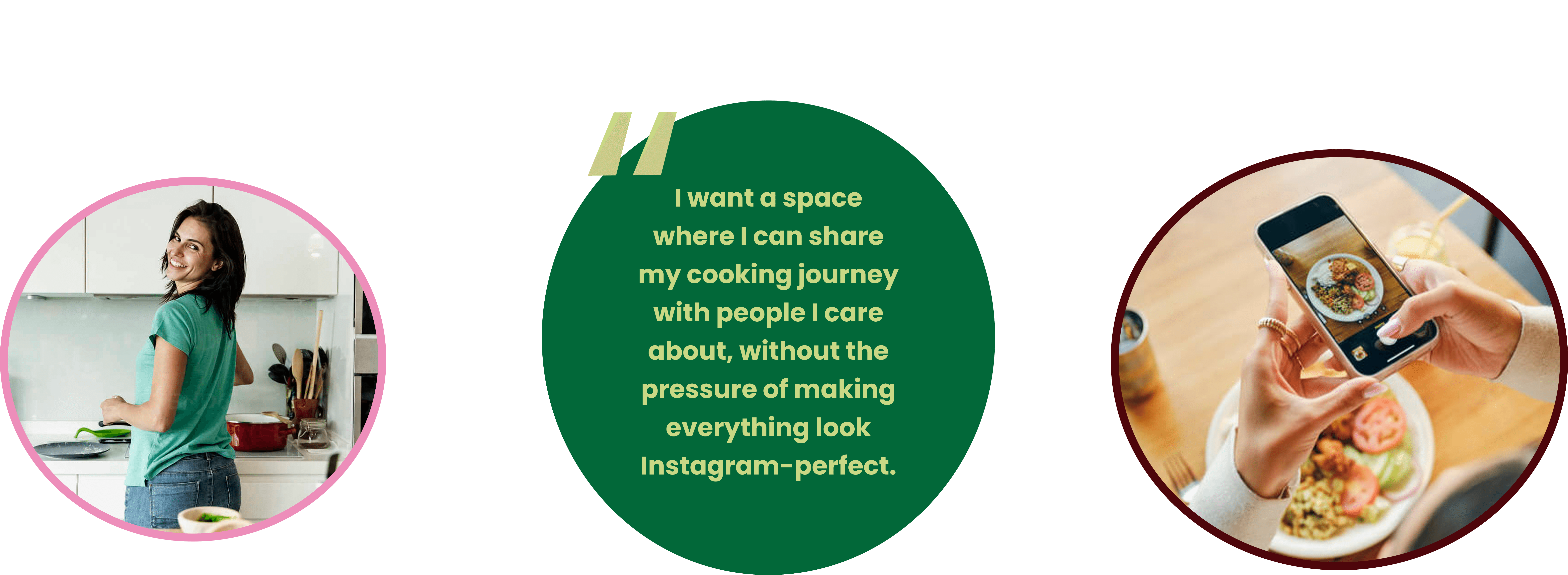
To bring Dish to life, we needed to deeply understand our users. Meet Josephine, a 29-year-old marketing professional living far from family. She cooks weekly, photographs every meal, and craves connection through food—but existing platforms fall short.
What we learned
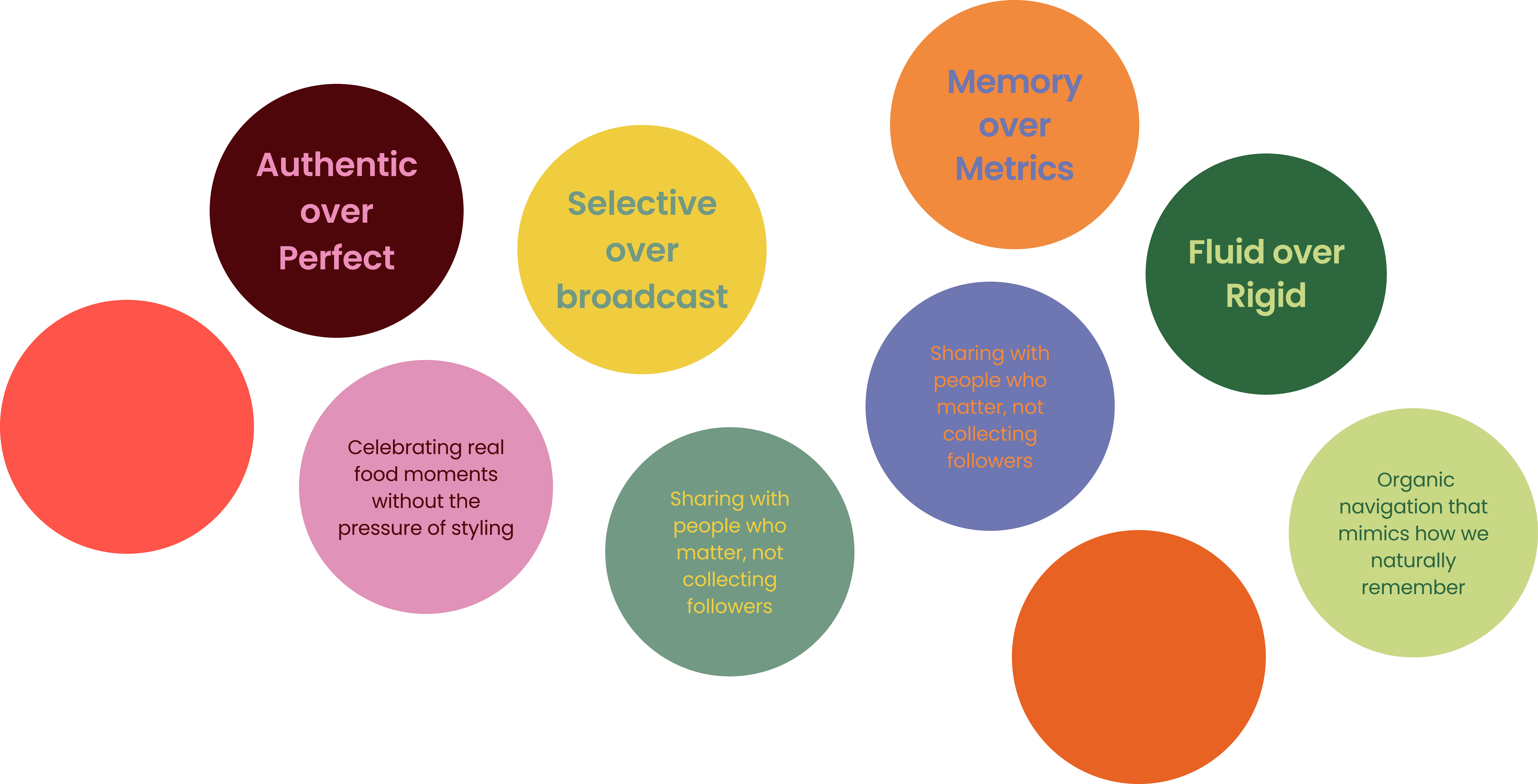
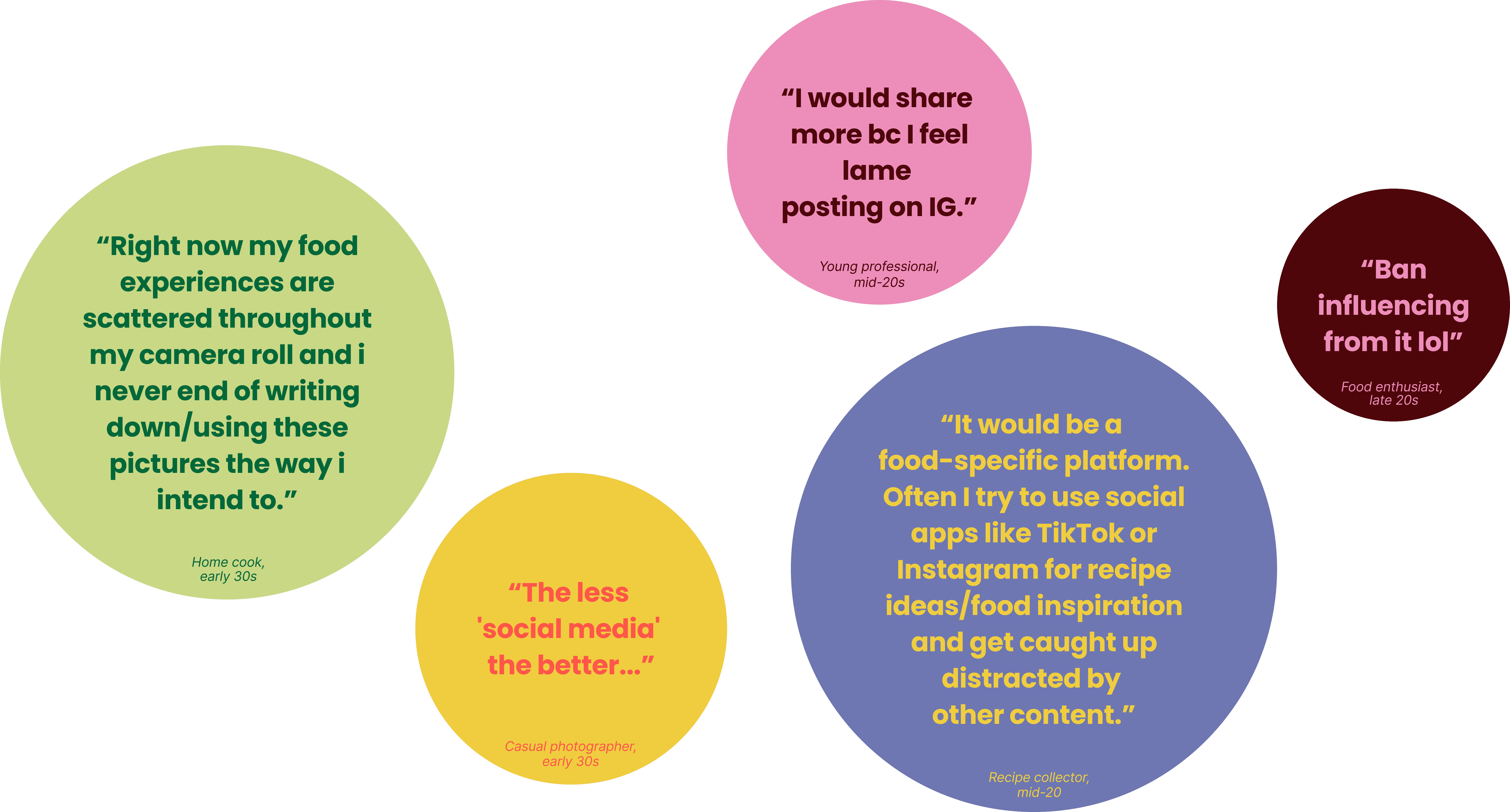
Through surveys with 21 regular home cooks (ages 25-35), clear patterns emerged about how people want to share food memories. These voices revealed a clear gap: people want to document and share food moments, but existing platforms feel performative, overwhelming, and misaligned with their actual needs. The desire for organization without pressure. Connection without performance. Memory without metrics.
How Principles Became Interface
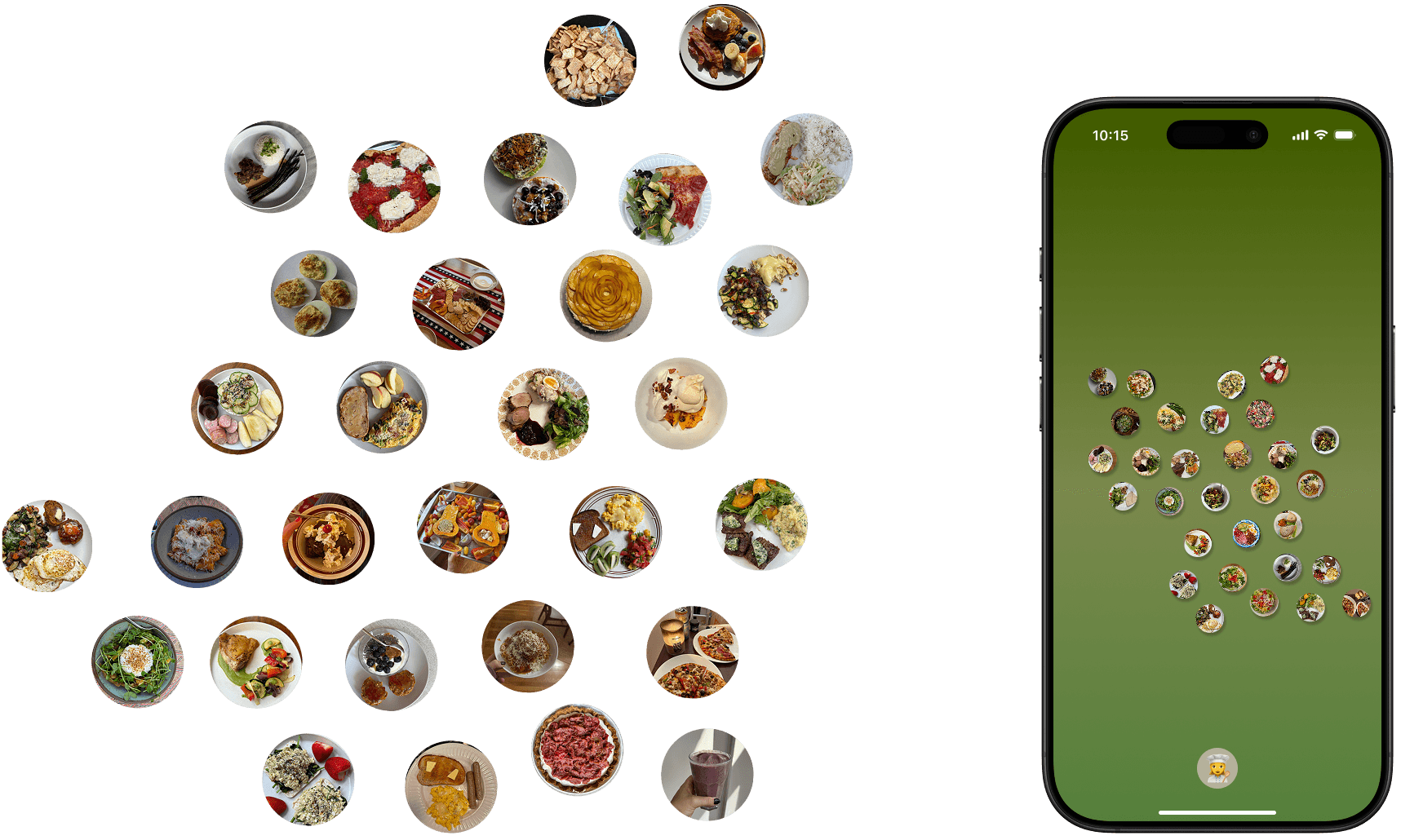
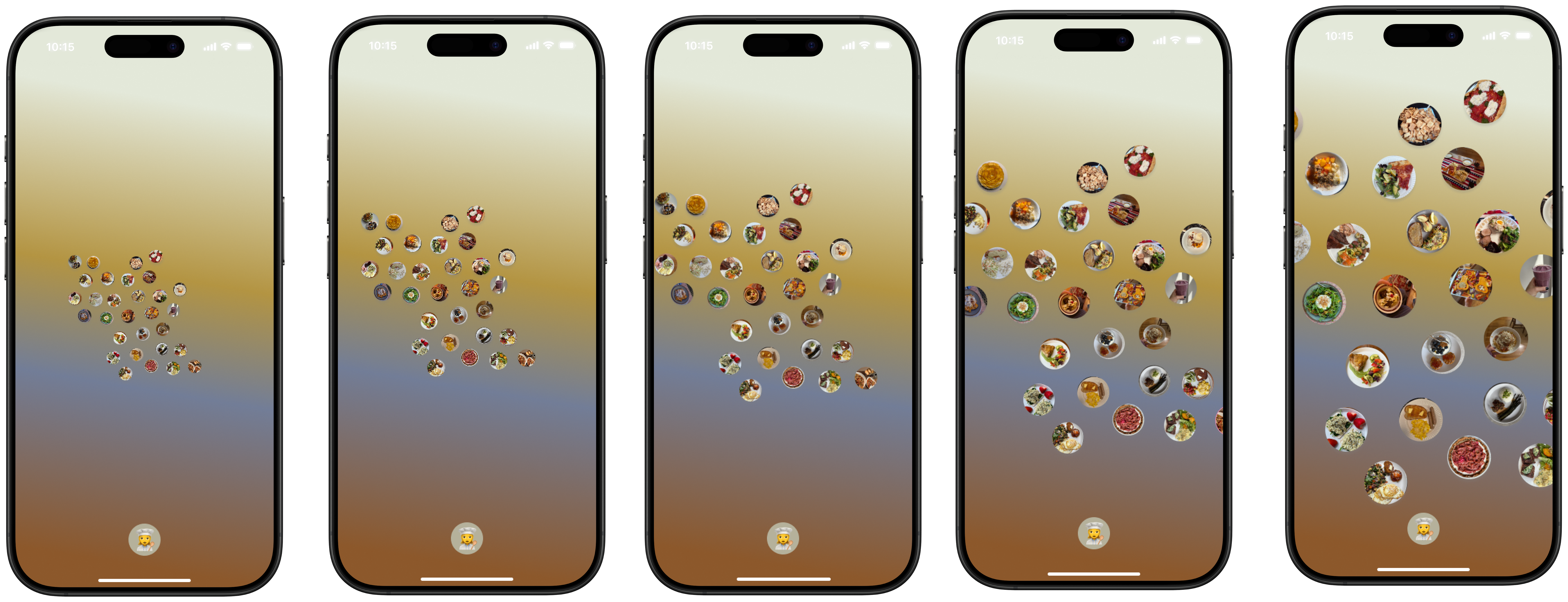
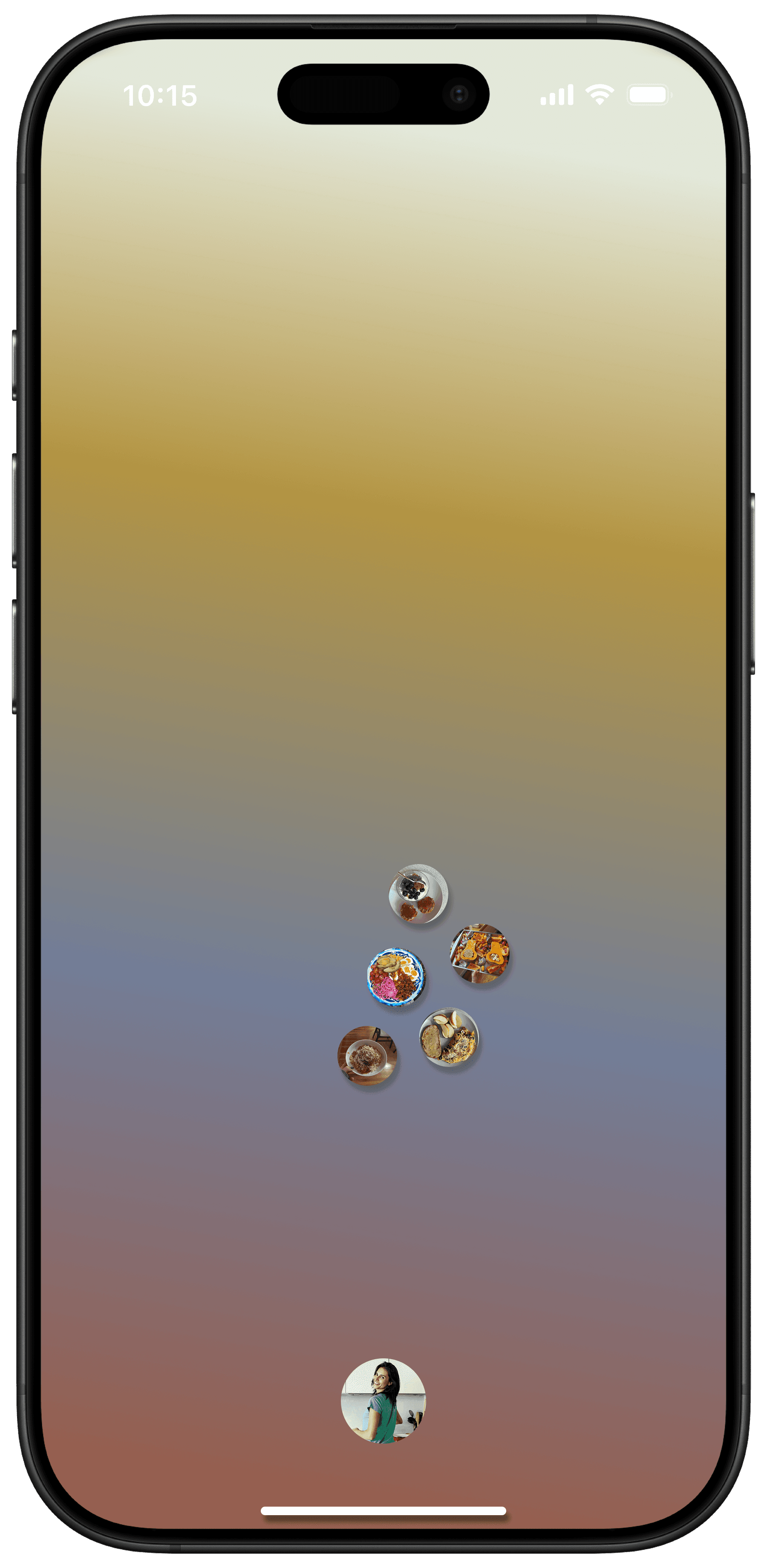
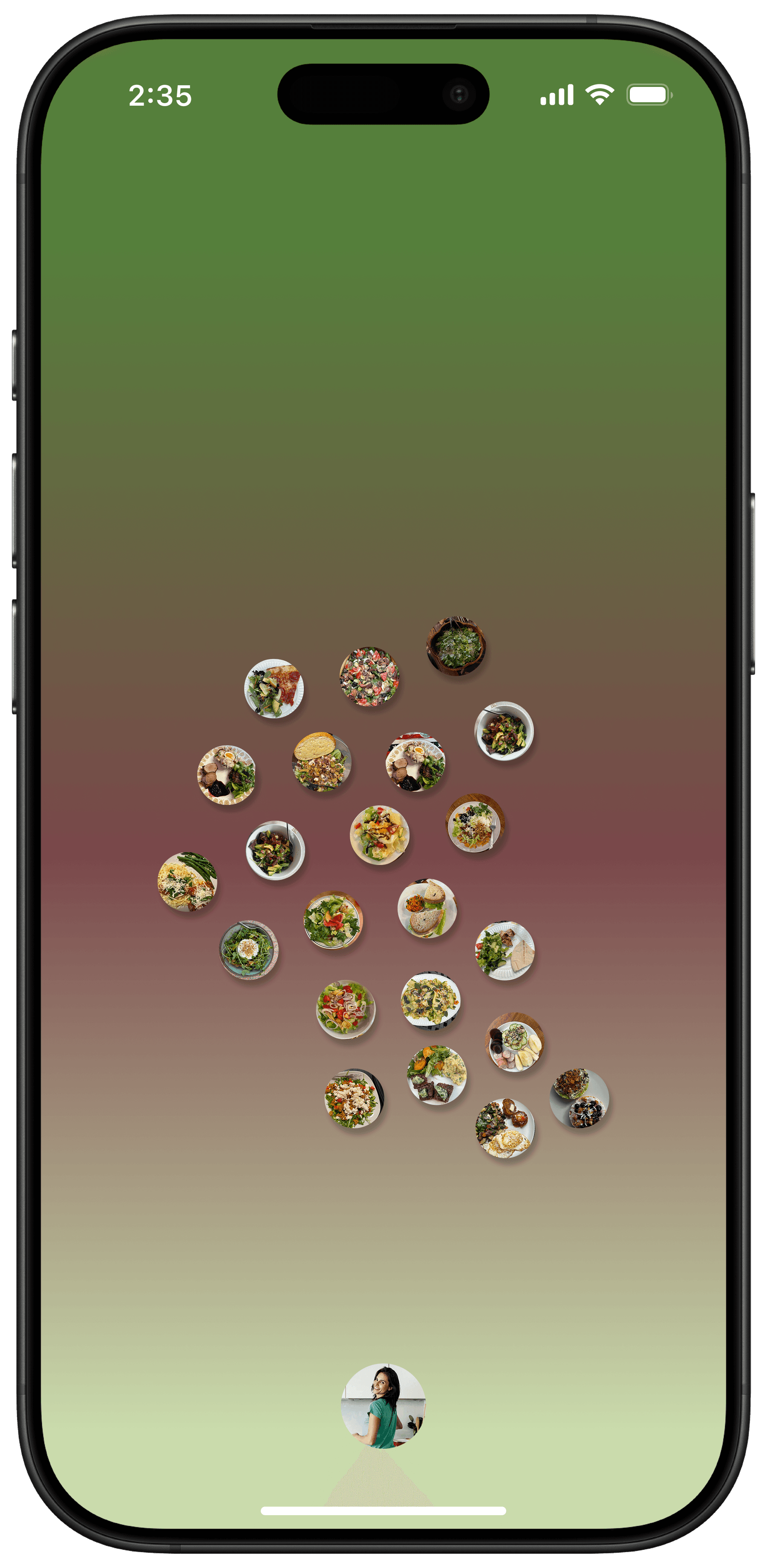
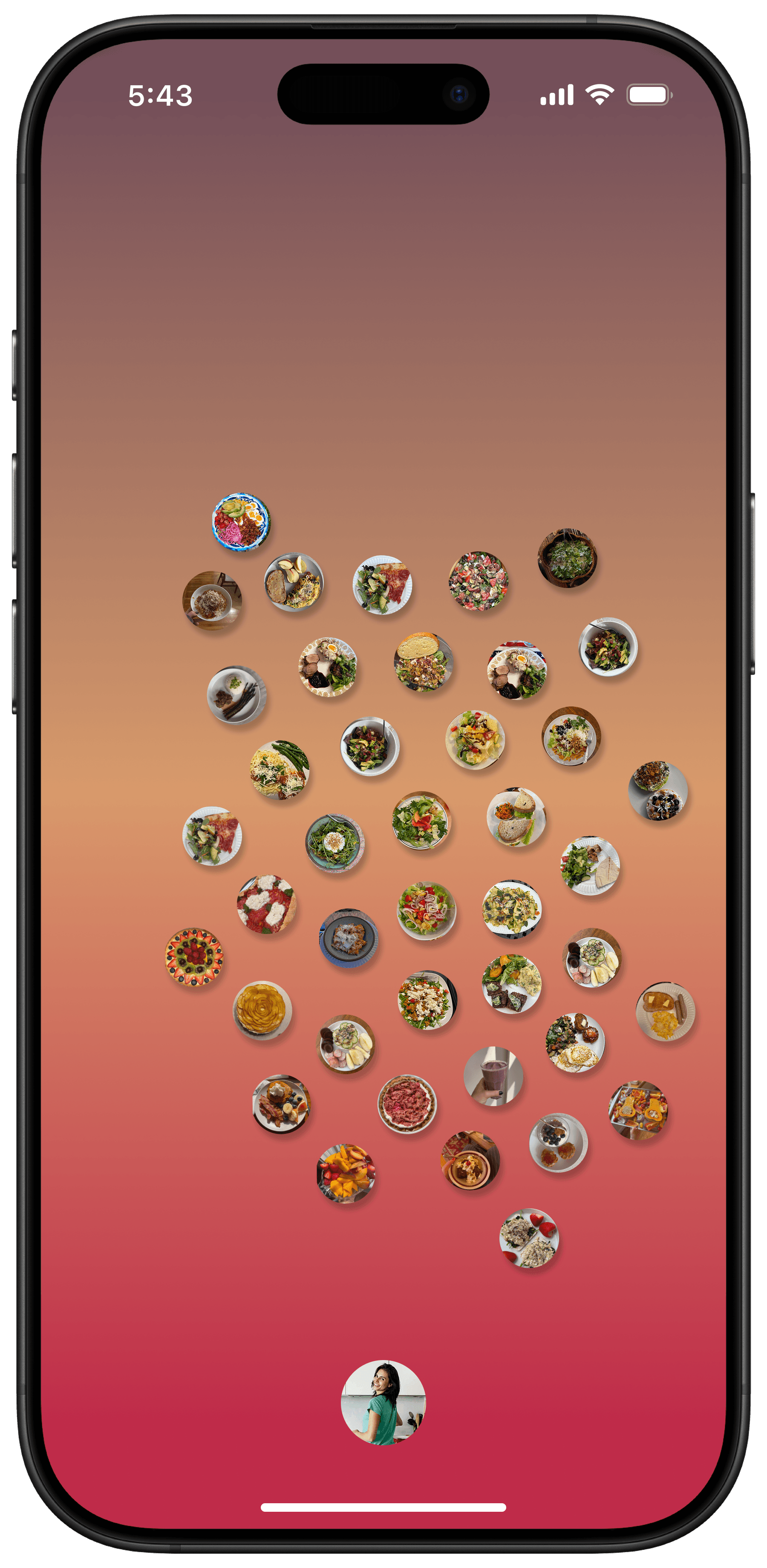
Traditional grids create comparison. We needed something that felt organic and personal—like memories floating in your mind. The aquarium interface breaks hierarchical patterns, letting your food memories exist in a dynamic, flowing space.Your memories exist in a dynamic, non-hierarchical space where each moment has equal value. The circular, flowing design mirrors how we actually experience food memories: fluid, interconnected, and deeply personal. As you add more memories, your aquarium becomes richer and more vibrant, reflecting your unique food journey.
Mood Food
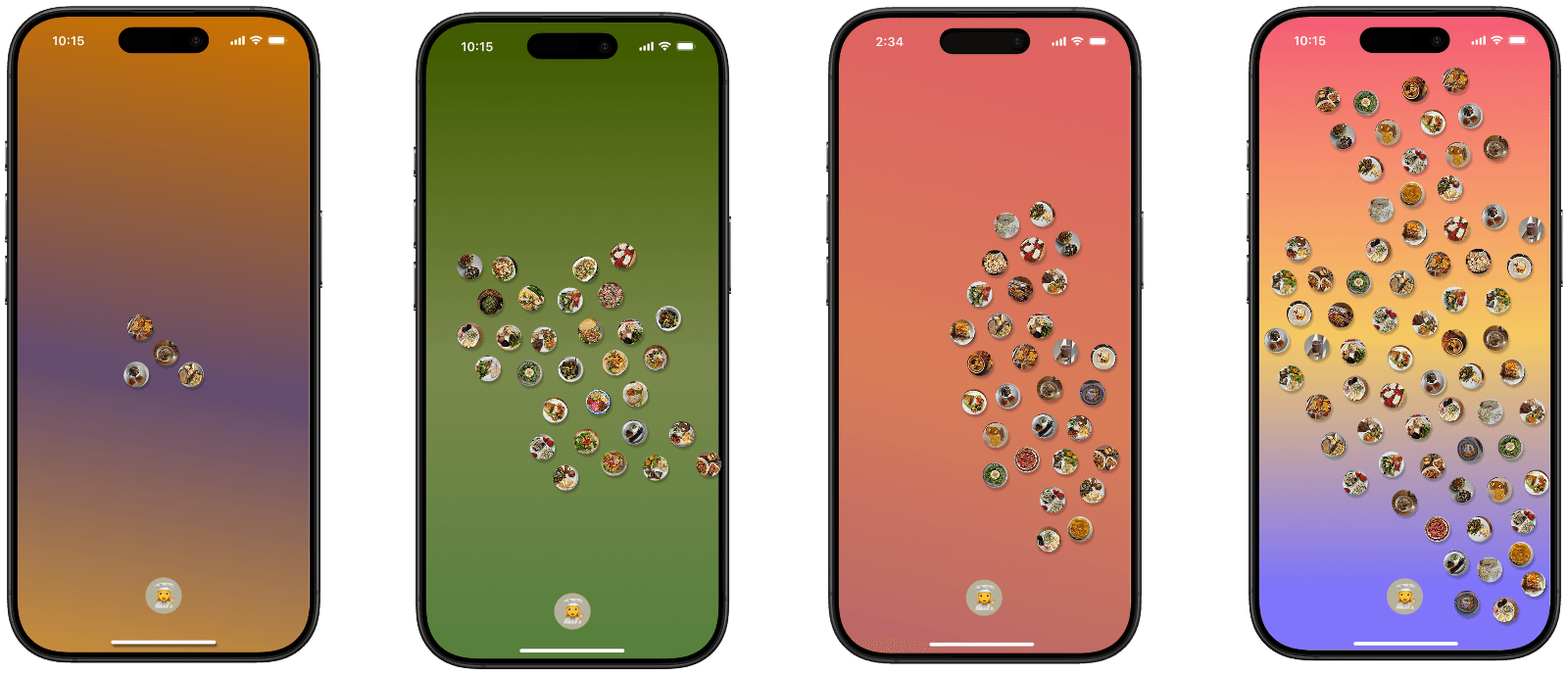
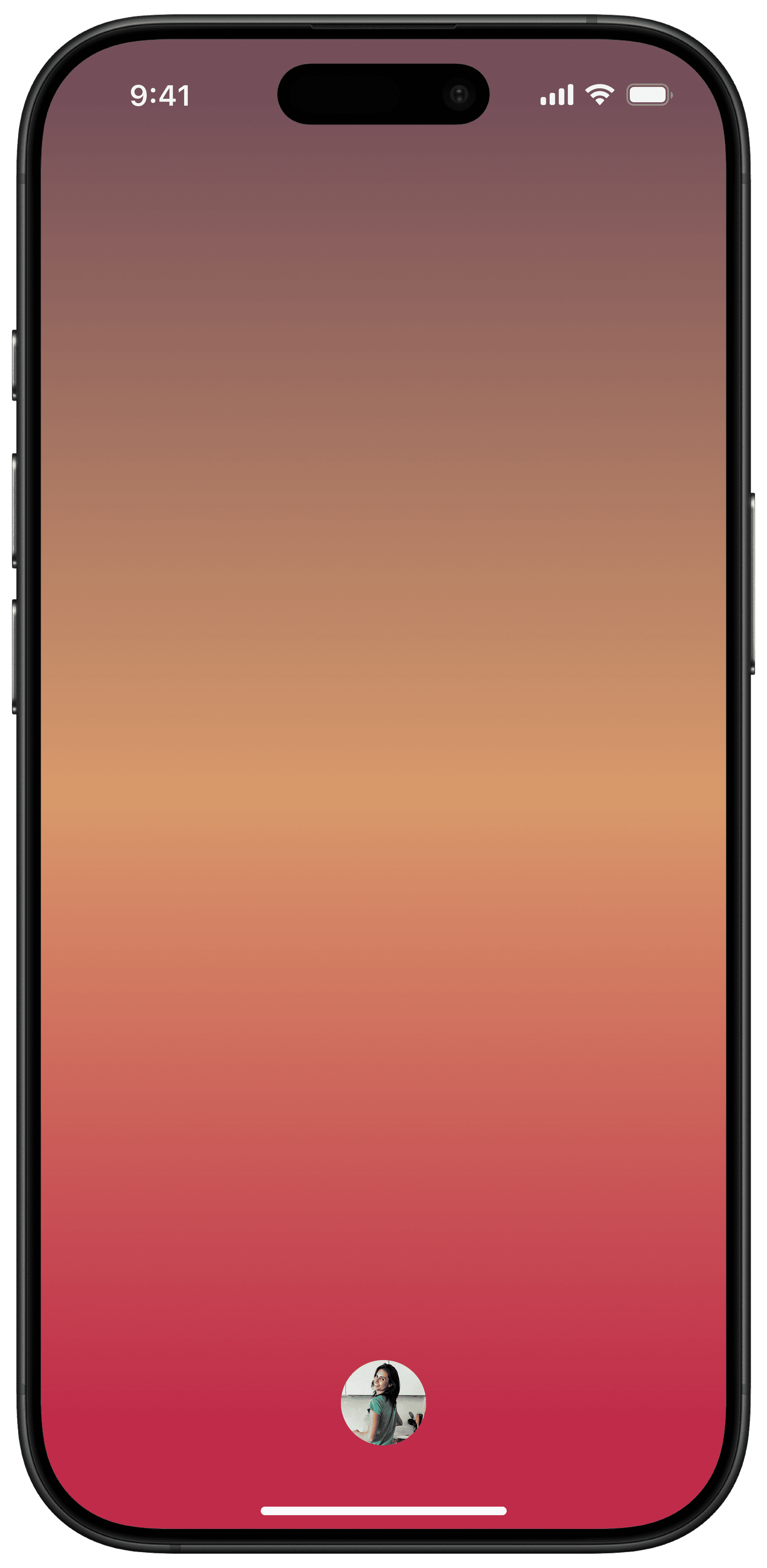
Your aquarium background isn't static—it's alive. Dish's Mood Food feature creates an interactive gradient that ebbs and flows based on the moods you associate with your meals. Colors shift subtly, creating a living visual experience that reflects how food makes you feel.

Your aquarium becomes a personalized emotional landscape, unique to your food journey.
Natural Interactions
Gesture-based design that feels intuitive. Pinch to zoom, tap to dive deeper, hold to interact. The
interface gets out of the way so your memories can shine.
Minimal Navigation
We stripped away everything that didn't serve memory-making. No explore pages, no trending sections, no algorithmic feeds. Just you, your memories, and your chosen circle.
Finding the Right Feel
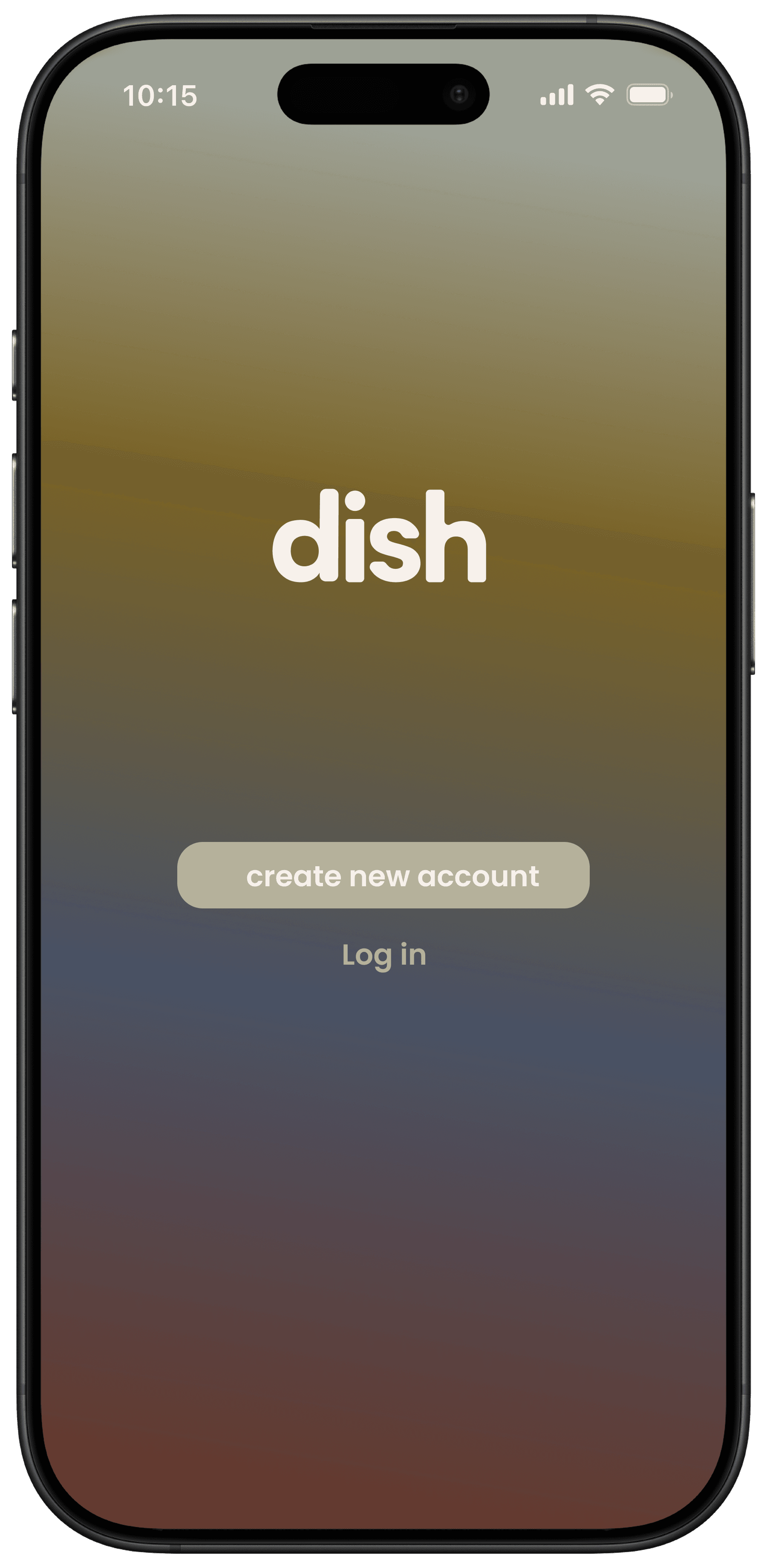
The visual direction needed to feel warm, inviting, and personal—not clinical or tech-forward. We explored organic shapes, soft gradients, and playful elements that make documenting meals feel joyful rather than obligatory.

Stage 4. The Experience
How Dish Evolves With You
Dish grows alongside your food journey, adapting to how you use it over time.
Learning the Dish Experience
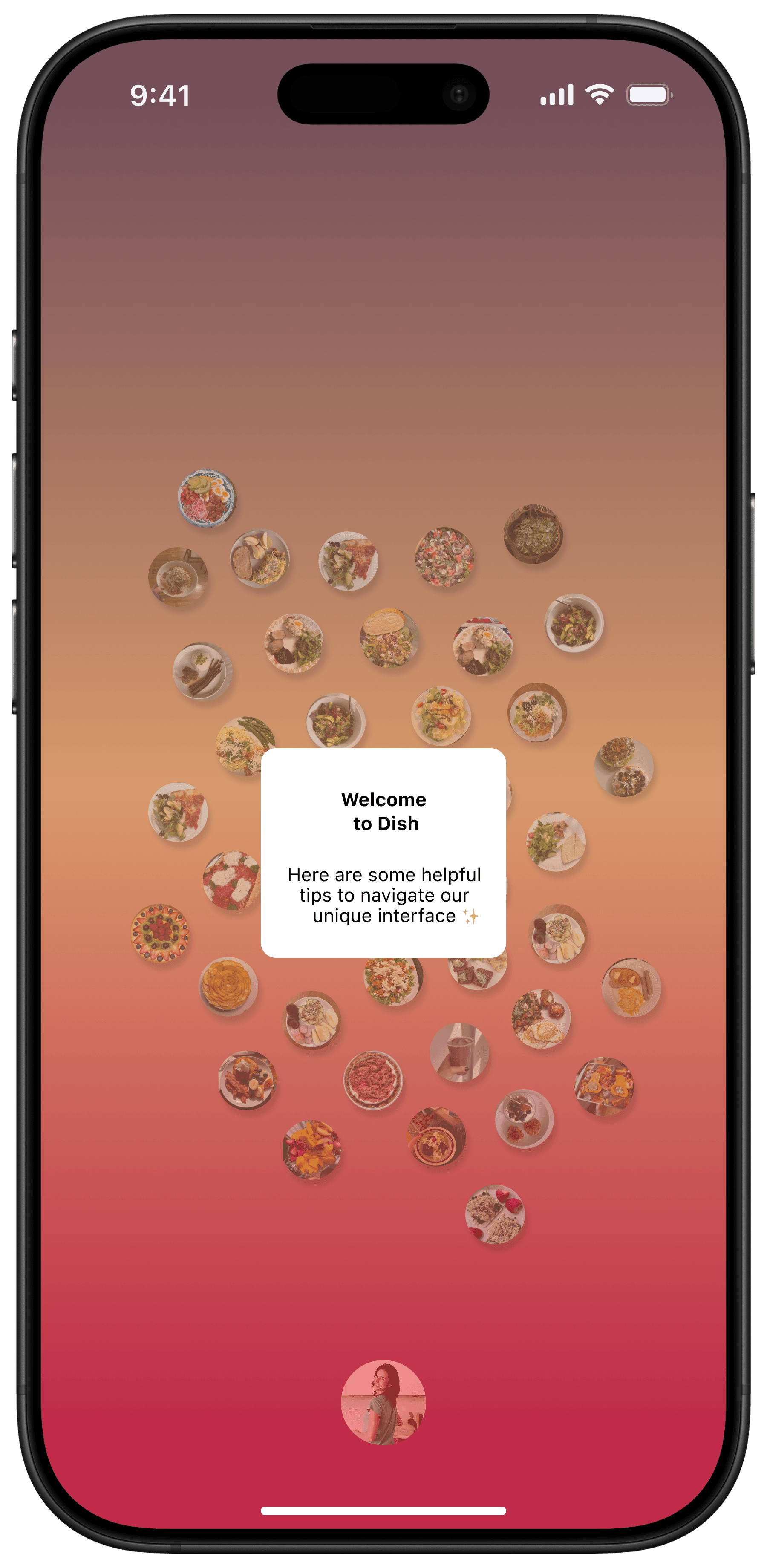
First-time users are gently introduced to the aquarium concept and encouraged to add their first
food memory.
From Early User Experience to Mature
The more food memories you add, the more full your aquarium becomes!
Staying Connected
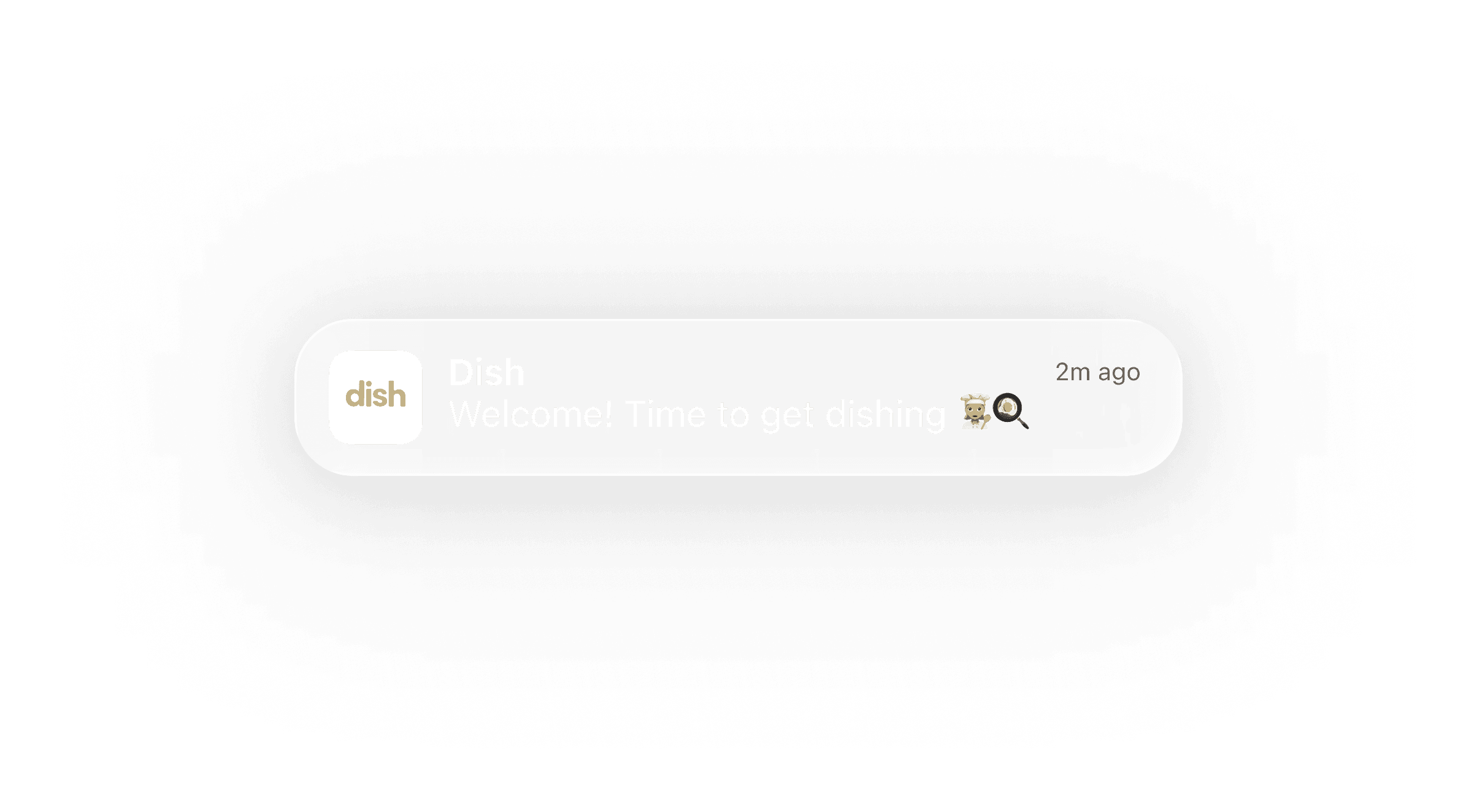
Thoughtful notifications keep you engaged without overwhelming—reminders to document meals, updates from your circle, and gentle prompts to revisit memories.
Stage 5: Impact and Reflection
Learnings & Next Steps
This 10-week project taught me the importance of designing for authentic human needs rather than chasing trends. By focusing on Josephine's real frustrations, not what I assumed users wanted, I created something that solves a genuine problem.

If I could continue this project (and I hope to do so!), I'd explore how Dish could integrate with recipe apps, test the aquarium interface with real users, and refine the mood color-based engineering system based on actual usage patterns.  Dish proves that social platforms don't have to be performative to be meaningful. Sometimes the most powerful design is the one that gets out of the way and lets human connection shine.
Other projects
BetterMynd
Marketing
Project Management
BetterMynd is a social impact startup that provides access to mental health services for America’s 20 million college students.